
Image
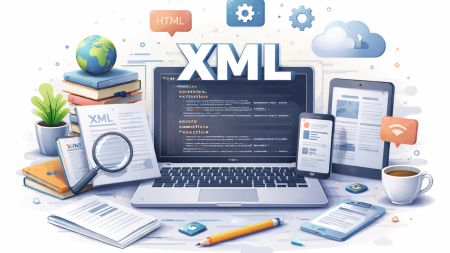
All XML classes include
 Free retake
 Detailed curriculum
 Live instructor
 Flexible rescheduling
 Certificate of Completion
 Small class sizes
 Course recording
Learning goals for this XML metadata course
By the end of this course, you will:
- Explain what XML is and how it is used in media metadata and content distribution workflows
- Identify key XML structures, including elements, tags, attributes, and hierarchical relationships
- Read and interpret XML files and understand how media content (titles, episodes, assets) is structured
- Apply consistent and accurate metadata practices across fields such as titles, dates, ratings, and territories
- Describe the role of MEC and MMC as standardized containers for delivering metadata to distribution partners
- Map data entry fields to corresponding XML elements and understand how input affects output
- Identify common metadata and XML errors and apply best practices to prevent and correct them
- Improve workflow efficiency through standardized data entry practices and controlled vocabularies
There are currently no evening classes scheduled for this course.
Please call 800-851-9237 or 781-376-6044 to schedule a course
XML Metadata for Content Distribution Course Topics
1. XML in Media Distribution
- What is XML
- Why media companies use XML instead of spreadsheets or forms
- Where XML sits in the distribution pipeline
- XML as a metadata container
- XML vs Excel vs database records
- “Humans enter data → systems exchange XML”
2. XML Basics
- Elements, tags, attributes
- Parent / child relationships
- Required vs optional fields
- Media-specific framing
- <Title> vs <Episode> vs <Asset>
- Why nesting matters to partners
- understanding an XML file
3. Metadata as a Language
- Metadata = “structured description”
- Precision and consistency
- Title vs Series Title
- Original air date vs release date
- Runtime vs content duration
- Ratings, territories, language codes
- Describing content accurately.
4. Understanding MEC / MMC
What they learn
- Foundations of Media Entertainment Core and Media Manifest Core
- How CableLabs standards structure metadata
- Why Amazon and others require this format
- MEC/MMC as containers, not creative decisions
- XML is the envelope; metadata is the message
5. Mapping Data Entry to XML Output
- How data they enter maps into XML elements
- One-to-one vs one-to-many mappings
- What breaks XML deliveries downstream
- Compare a metadata entry screen to resulting XML
- Identify where mistakes typically happen
6. Common Errors & How to Avoid Them
- Addressing Real-world issues
- Missing required fields
- Invalid values for ratings, language, or territories
- Inconsistent capitalization or naming
- Mismatched IDs
- Validation rules
- Copying/pasting issues
- Spot-checking XML visually
- How to scan XML to find problems
- How to answer questions like:
- Metadata vs system behaviors
- Self-diagnosing issues
7. Workflow & Efficiency Best Practices
- Standardizing data entry habits
- Using controlled vocabulary
Custom and private XML classes
This XML course is available as a private class. Curriculum can be customized for your specific needs. XML classes can be delivered at your location, online, or in our classrooms. For more information, call 781-376-6044 to speak with a training consultant or contact us.
There are no prerequisites for this class.
You will receive a comprehensive course manual for this class developed by the Certified Instructors at AGI.
Available Delivery Methods For This Class
CLASSROOM
LIVE ONLINE
PRIVATE
MY LOCATION